
Planning a wedding transportation timeline New Jersey couples can actually follow often comes down to one thing: reducing day-of uncertainty. This guide is for couples, planners, and family members coordinating rides for the wedding party and key VIPs. A clear timeline helps you protect the ceremony start, keep photos on track, and avoid last-minute decisions that can ripple through the entire day. As spring celebrations ramp up, schedules tend to get tighter and venues book up—making transportation planning worth doing early and in writing. For a broader overview of vehicle options and coordination considerations, see our Comprehensive Guide to Wedding Limousine Services in New Jersey.
The Essentials: Your Timeline in 60 Seconds
- Start with fixed times : ceremony start, venue access windows, photo blocks, and any hard stop times.
- Work backward from “everyone seated” to set pickup times, loading time, and arrival buffers.
- Build in buffer time for loading, traffic variability, and schedule drift—especially between photo locations.
- Assign a transportation point person who can approve small adjustments without involving the couple.
- Confirm a written run sheet with addresses, contact names, and the order of stops for each vehicle.
How a Wedding Transportation Timeline Actually Works
A wedding transportation timeline is a run-of-show specifically for vehicles and people movement. It typically includes: who rides in which vehicle, exact pickup addresses, planned departure times, arrival targets (not just the ceremony time), and a sequence of stops (hotel → photo location → ceremony → reception, etc.).
To build it, you’ll usually anchor the day around “non-movable” moments—like the ceremony start and venue access rules—then plan travel and loading around those. The goal isn’t to schedule every minute; it’s to create enough structure that small delays don’t turn into missed entrances, shortened photo sessions, or late arrivals.
Most timelines also include contingency notes: where the chauffeur should stage if a venue has a specific drop-off area, who can be called for quick decisions, and what happens if one group runs behind (for example, a separate vehicle for late-ready attendants so the rest of the schedule stays intact).
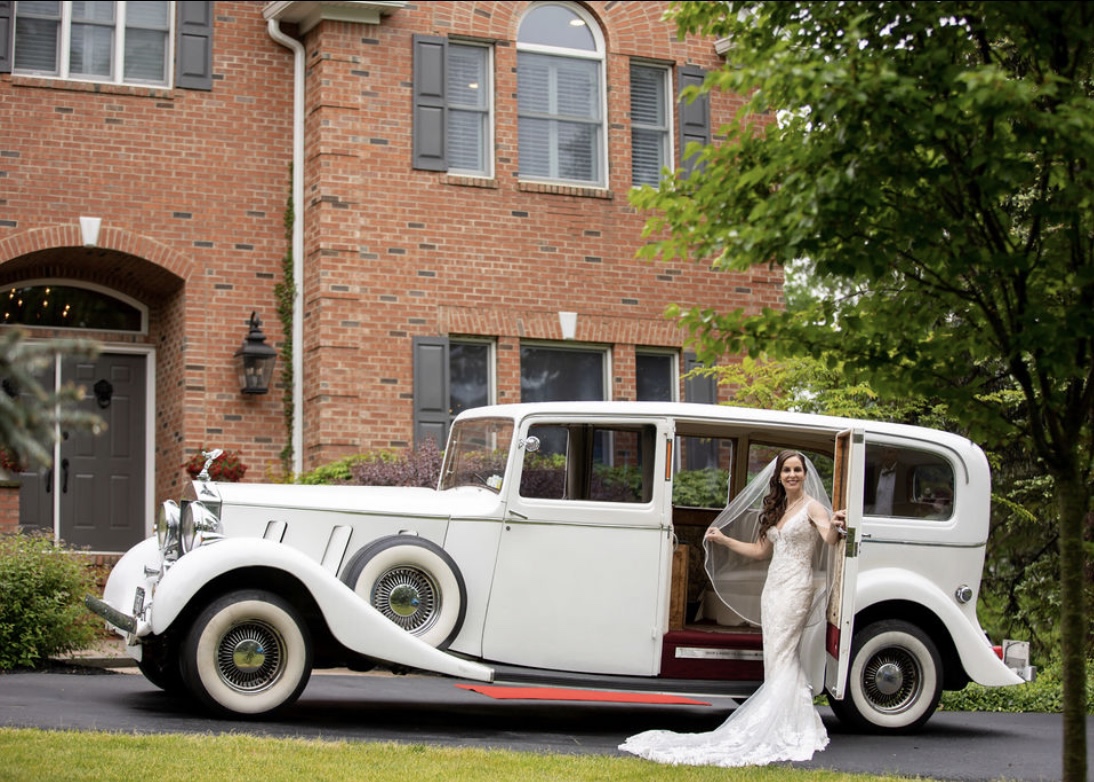
Why Timing and Buffer Decisions Affect Your Whole Day
Transportation timing influences more than getting from point A to point B. It affects:
- Photo coverage : When arrivals slip, the first thing that gets compressed is often portraits and family photos.
- Guest experience : Late arrivals can create confusion at the ceremony and delays at cocktail hour.
- Stress level : If the couple becomes the “dispatcher,” the day feels reactive instead of planned.
- Budget control : Underestimating time can lead to needing extra hours or last-minute changes.
Buffers aren’t wasted time—they’re schedule protection. A realistic plan assumes that loading takes longer than expected, someone forgets an item, a dress needs adjusting, or a photo location runs a few minutes over.
Common Timeline Mistakes to Avoid (Checklist)
- Scheduling arrival at the ceremony for the ceremony start — Plan to arrive earlier so everyone is seated and settled before the processional.
- Forgetting loading time — Getting a group into vehicles (especially with formalwear) takes longer than “walk out and go.”
- Too many stops without padding — Each stop adds parking, staging, and coordination time, not just driving time.
- No clear point person — Without one decision-maker, small questions can interrupt hair/makeup, photos, or the ceremony prep.
- Missing contact details — Not listing who to call at each location can slow down pickups and staging.
- Underestimating end-of-night needs — If you want a grand exit or after-party transfer, it needs a defined time window and plan.
A Smart Booking and Day-Of Action Plan (Checklist)
- Draft your “people + places” list : who needs rides, from where, and to which locations (including any photo stops).
- Set target arrival times : choose “arrive by” times for each key moment (ceremony, photos, reception) rather than “arrive at.”
- Add practical buffers : include extra time for loading/unloading, venue staging, and schedule drift between stops.
- Create a written run sheet : addresses, stop order, pickup names, phone numbers, and any venue instructions.
- Assign a transportation captain : a planner, trusted friend, or family member who can coordinate without involving the couple.
- Confirm details in advance : verify pickup locations, access notes, and the final itinerary once hair/makeup and photo timelines are locked.
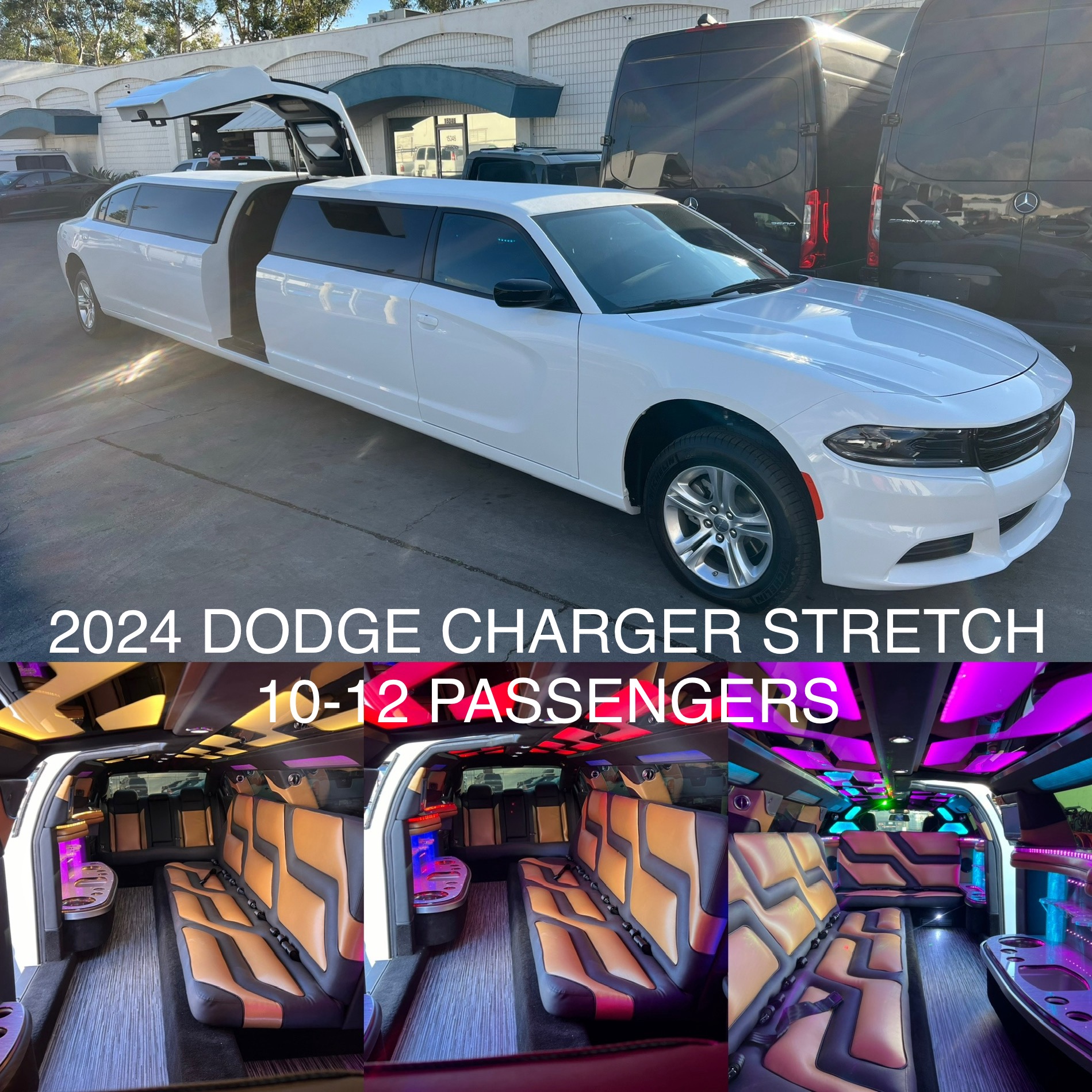
Professional Insight: The Buffer Most Couples Forget
In practice, we often see the biggest timeline issues come from “transition moments” rather than the main drive—things like gathering everyone after photos, fixing attire, locating a missing boutonniere, or waiting for a cue to enter. Building a small cushion around those handoffs (not just the travel time) is what keeps the day feeling smooth.
When It’s Time to Get Professional Help With the Schedule
Consider professional support for your transportation plan if any of these apply:
- Multiple locations (hotel, photo spots, ceremony, reception) with tight transitions.
- Large wedding party or VIP list where seating assignments and pickup coordination matter.
- Complex venue access (staging areas, restricted drop-offs, or specific arrival procedures you must follow).
- High-stakes timing such as a fixed ceremony start, a venue cutoff, or a planned grand exit.
- You want the couple insulated from calls, texts, and day-of coordination decisions.
Your Questions, Answered
How far in advance should we reserve vehicles for a wedding?
It depends on your date, vehicle needs, and how many stops you’re planning. A practical approach is to start outreach once your venues and ceremony time are confirmed, then finalize details as your photo and prep schedules are set.
What time should the wedding party arrive before the ceremony begins?
Many couples plan an “arrive by” target that allows time to stage, touch up attire, and get everyone seated before the processional. The right window depends on venue procedures and how many people are arriving together.
How much buffer time should we add between photos and the ceremony?
Build in extra time for gathering the group, adjusting formalwear, and any delays that happen during portraits. Buffers should cover both loading/unloading and the transition itself, not only the drive.
Who should be the point person for transportation on the wedding day?
Choose someone calm and decisive—often a planner, maid of honor/best man, or a trusted family member—who can answer calls, confirm pickup readiness, and approve small timing adjustments.
What details should be on the final transportation run sheet?
Include each stop in order, exact addresses, pickup names and phone numbers, target departure/arrival times, and any venue access notes (where to stage, which entrance to use, and who to contact on arrival).
Where to Go from Here
A reliable timeline starts with fixed moments, then works backward to set realistic pickups, arrivals, and buffers. When you assign a point person and document the run sheet, you protect the ceremony start and reduce day-of stress. If your day includes multiple stops or a large group, a transportation plan becomes even more important. The goal is simple: keep the celebration moving without the couple having to manage logistics.
Learn More About Our Services
Discover how we can help you achieve your goals.
Get A Free Quote