
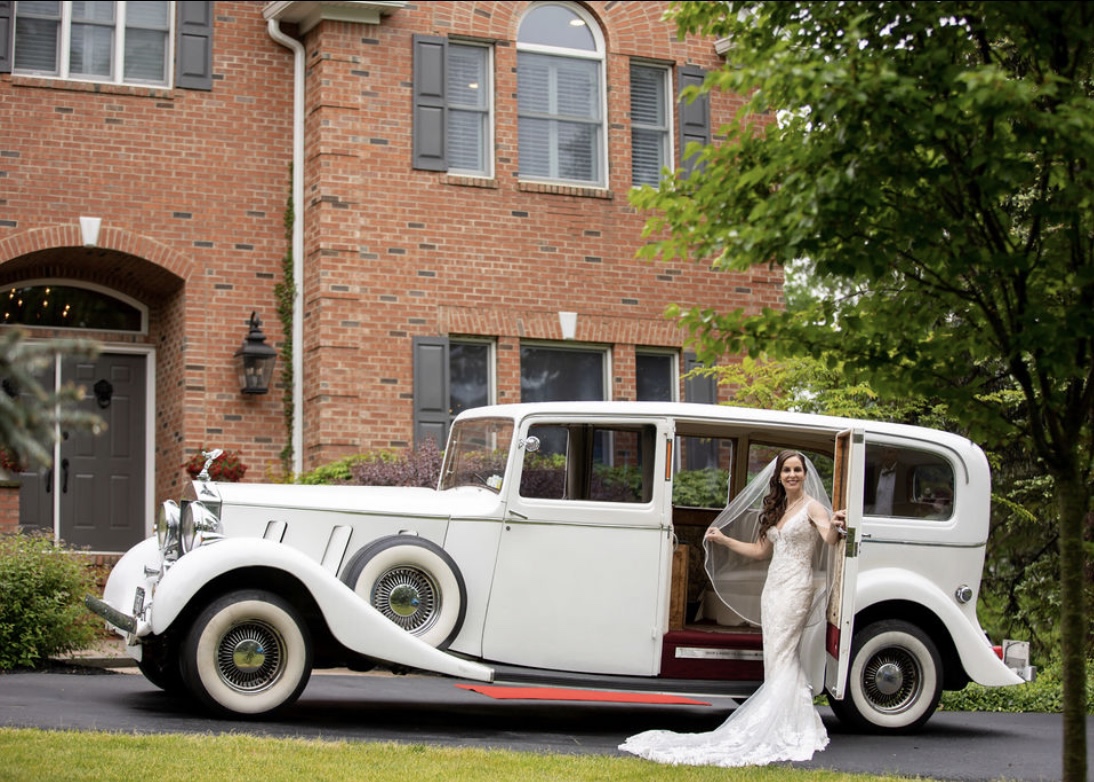
Wedding limo timeline planning in NJ
Planning a wedding limo timeline can feel deceptively simple—until you’re juggling hair and makeup, photo locations, family arrivals, and a ceremony start time that will not wait for anyone. This guide is for couples, wedding planners, and anyone coordinating transportation for a wedding day in New Jersey . Getting the schedule right matters because it affects when you can start photos, how calm the wedding party feels, and whether you’re building in enough buffer for real-world delays. With spring bringing a fresh wave of wedding weekends, a clear, written transportation plan is one of the easiest ways to keep the day running smoothly without turning your group chat into a crisis hotline.
If you’re also coordinating prom transportation in your household (it happens), the planning framework is similar—build buffers, confirm pickup points, and keep communication simple. For a deeper look at structured event transportation planning, see Comprehensive Guide to Wedding Limousine Services in New Jersey.
Bottom Line Upfront: A Timeline You Can Actually Use
- Start with fixed points : ceremony start, photo session windows, reception entrances, and any venue “must arrive by” times.
- Work backward with buffers : add extra time for loading/unloading, photos that run long, and traffic variability.
- Assign one transportation lead (not the couple): a planner, family member, or trusted friend who can make quick decisions.
- Use one shared pickup plan : exact addresses, who rides in which vehicle, and a “be ready” time earlier than the actual pickup.
- Confirm the last mile : where the vehicle can safely stop, how the party will exit, and where the driver should stage next.
How a Wedding Transportation Schedule Fits the Day
A wedding-day transportation plan is a chain of short, high-stakes moments: getting the wedding party from prep to photos, from photos to ceremony, from ceremony to reception, and sometimes to an after-party or hotel. The goal isn’t to micromanage every minute—it’s to protect the moments that matter by putting structure around the movement in between.
Most couples build their schedule around a few anchor blocks:
- Prep block (hair/makeup, getting dressed, detail photos)
- Photo block (first look, wedding party, family portraits)
- Ceremony block (arrivals, lineup, ceremony start)
- Reception block (cocktail hour, entrances, dinner)
- Send-off block (end-of-night transportation)
Transportation touches each block, even if you only book a vehicle for part of the day. That’s why a written plan—who, where, when, and what happens if something runs late—pays off.
The Real Consequences of a Weak Limo Timeline
When the schedule is vague, the stress shows up fast—usually right when you’re trying to enjoy the day. The biggest impacts tend to be practical:
- Photo time gets squeezed : if departures slip, you lose the easiest window for calm, unhurried portraits.
- People end up in the wrong place : family members arrive at different entrances, or the wedding party is split unintentionally.
- Small delays compound : a five-minute late departure can become a 20-minute scramble after multiple stops.
- Vendors get thrown off : planners, photographers, and venues often build their own flow around arrival times.
- The couple absorbs the pressure : instead of being present, you’re answering “Where are we going?” texts.
Even with a professional chauffeur, you still want a timeline that anticipates real behavior: people forget shoes, someone needs a boutonniere pinned, and a cousin will always “just run back inside for one thing.”
Checklist: Timeline Mistakes That Create Wedding-Day Chaos
- Not naming exact pickup locations (front door vs. side entrance vs. valet lane), which can cause circling and confusion.
- Forgetting loading time for formalwear, bouquets, and photos—getting a group into a vehicle takes longer than you think.
- Overpacking the itinerary with too many photo stops, creating a schedule with no recovery time.
- Skipping a “be ready” time ; if pickup is 2:00, tell everyone 1:45 and mean it.
- No plan for separated groups (couple, wedding party, immediate family), leading to last-minute seat shuffling.
- Assuming venues have the same access rules ; some properties restrict where vehicles can stage or how long they can wait.
A Smart Wedding Limo Timeline Template (With Practical Examples)
- List your fixed “can’t move” times first : ceremony start, reception entrance, venue access windows, and photo appointment times.
- Work backward from ceremony arrival : set a target arrival time that’s earlier than you think you need, then build the departure time from there.
- Create a simple stop list : Prep → Photo location(s) → Ceremony → Reception → Final drop-off (only include stops you truly want).
- Assign riders per leg : who rides in which vehicle for each segment—especially after the ceremony when groups change.
- Build buffers between legs : add time for gathering people, restroom breaks, and “we need a minute” moments.
- Write a one-page ‘transport sheet’ : addresses, contact names, and the order of events—share it with the planner and key family members.
Example A: Ceremony and reception at the same venue
- Use the limo primarily for prep → first look/photos → arrival.
- After arrival, decide whether the vehicle stays staged or returns later for a send-off.
Example B: Ceremony and reception at different venues
- Plan a clean “reset” moment after the ceremony: quick family congrats, then a firm departure window to keep cocktail hour on track.
- Confirm where the wedding party exits and where the driver should meet you at the second venue.
Example C: Multiple photo locations
- Pick one “must-have” location and one optional backup.
- If you’re running late, drop the optional stop instead of compressing every remaining block.
Professional Insight: The One Detail Most Couples Miss
In practice, we often see the smoothest days come from one simple rule: make departures the priority, not arrivals . When everyone treats the “wheels rolling” time as sacred (and sets a realistic “be ready” time), the rest of the day has room to breathe—even if a photo session runs a little long or a relative needs an extra minute.
When to Bring in a Pro for Timeline and Logistics
You may want professional help (planner coordination and/or chauffeured transportation) when:
- You have multiple venues or multiple stops and you don’t want the couple managing directions and timing.
- Your wedding party is large and coordinating who rides where is becoming a spreadsheet problem.
- You’re working with a tight photo window and need reliable pacing between locations.
- There are VIP mobility needs (older family members, accessibility considerations) that require extra loading time and clear pickup points.
- You want an end-of-night plan so guests and the couple have a safe, pre-arranged way to get to the final destination.
Common Questions About Wedding Transportation Timing
How far in advance should we start building the transportation schedule?
Start once you have your ceremony time and venue locations confirmed. From there, you can map the major blocks (prep, photos, ceremony, reception) and refine as your vendor plan becomes clearer.
Should we schedule one vehicle for the whole day or only for key segments?
It depends on how many locations you have and how you want the day to feel. Some couples book for prep-to-reception coverage, while others focus on specific legs like photos and ceremony arrivals, plus an end-of-night send-off.
What information should we share to avoid day-of confusion?
Provide exact addresses, the preferred pickup/drop-off points, a primary point of contact (not the couple), and a simple list of stops in order. If venues have specific access instructions, include those as well.
How do we handle delays without stressing everyone out?
Build buffers between major legs, keep the stop list lean, and decide in advance what can be trimmed (for example, an optional photo stop). A single transportation lead can make quick calls so the couple isn’t pulled into logistics.
Taking Control of Your Wedding-Day Transportation
A well-built plan keeps your day calm, protects your photo time, and helps everyone arrive where they need to be without constant check-ins. Focus on fixed points first, then work backward with realistic buffers and a clear rider plan. Keep communication simple: one transport sheet, one point person, and departures treated like the main event. When your timeline is solid, the limo becomes what it should be—a smooth, comfortable part of the experience.
Learn More About Our Services
Discover how we can help you achieve your goals.