
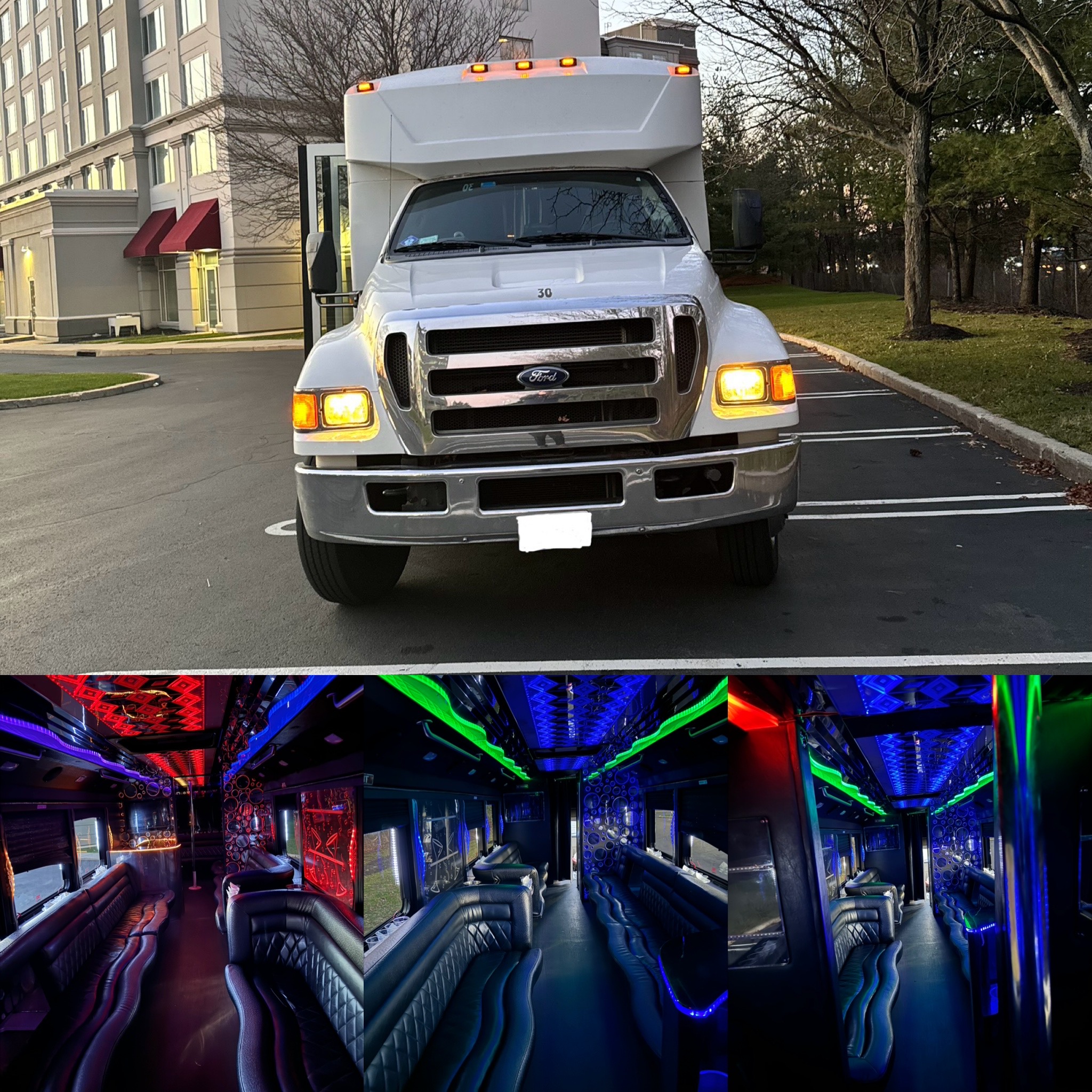
Wedding limo photo stops planning NJ
Planning wedding limo photo stops sounds simple—pick a few pretty places, hop out, snap photos—but it can quietly derail your timeline if it’s not mapped out like a mini road trip. This how-to is for couples, wedding parties, and planners who want great photos and a smooth transportation flow without last-minute stress. When you coordinate stops with your chauffeur plan, you protect the moments that matter: ceremony start times, cocktail hour, and the comfort of everyone riding together. Spring wedding season often adds extra traffic and crowded photo spots, so having a clear stop strategy helps you stay on schedule while still getting the “wow” shots.
Before you start building your route, it helps to understand how professional event transportation is typically structured and coordinated. Comprehensive Guide to Wedding Limousine Services in New Jersey breaks down common booking formats, timing considerations, and what to confirm in advance.
The Essentials for Photo-Stop Planning
- Limit stops to what your timeline can actually support —a few well-chosen locations usually beat a long list.
- Assign one decision-maker (often a planner, MOH, or best man) to keep the group moving between shots.
- Build “buffer minutes” into every stop for parking, walking, and regrouping—photos take longer than expected.
- Confirm access rules ahead of time (permits, gates, parking limits), since policies vary by property.
- Share one written route and schedule with your photographer and chauffeur so everyone works from the same plan.
How Wedding Limo Photo Stops Work in Real Life
Photo stops are short, pre-planned pauses between wedding events—typically between the ceremony and reception—where the wedding party steps out for portraits. The limo (or chauffeured vehicle) isn’t just a ride; it’s the “mobile basecamp” that keeps everyone together, provides a place to cool off, fix outfits, and safely store small items.
The key is sequencing: you’re balancing travel time , photo time , and arrival time . A good plan also considers practical details like where the vehicle can legally pull over, how far the group must walk, and whether the location can handle a large party without disrupting other visitors.
Why Your Stop List Can Make or Break the Timeline
Every extra stop adds more than you think: pulling in, finding a safe place to stage, coordinating people, fixing hair and jackets, and rounding everyone back up. If the schedule slips, you may feel rushed during portraits—or arrive late to the reception, which can compress key moments like entrances, first dances, and toasts.
There’s also a comfort and safety angle. Frequent in-and-out movements increase the chance of scuffed shoes, wrinkled attire, misplaced bouquets, or someone stepping into an unsafe area while distracted. A tighter plan reduces chaos and helps the group stay focused (and looking sharp).
Common Photo-Stop Mistakes (Checklist)
- Choosing too many locations — You spend more time traveling and herding the group than taking usable photos.
- Not confirming access — Some properties restrict commercial photography, block drop-offs, or require permission.
- Skipping a parking/pull-over plan — A beautiful spot isn’t helpful if the vehicle can’t safely stage nearby.
- Forgetting walking time — “It’s right there” becomes a 10-minute trek in formalwear.
- No shot list or priorities — Without a plan, you burn time on indecision and duplicate poses.
- Everyone gives directions — Conflicting input creates delays; designate one coordinator.
Your Step-by-Step Plan for Wedding Limo Photo Stops
Prerequisites (gather these first):
- Your ceremony and reception addresses
- Your “must-have” photo list (family, wedding party, couple portraits)
- A realistic time window for portraits between events
- Names and phone numbers for the day-of point people (planner, photographer lead, limo coordinator)
-
Define the goal of each stop (not just the scenery).
- Do: Assign a purpose like “full wedding party,” “couple portraits,” or “quick bridal party candids.”
- Tip: If a stop doesn’t produce a distinct set of photos, consider cutting it.
-
Pick 1–3 locations that fit your route between ceremony and reception.
- Do: Choose spots that minimize backtracking and keep travel simple.
- Tip: Prioritize locations with easy access (short walk, predictable staging area).
-
Estimate time per stop using a “real-world” formula .
- Do: Budget time for: pull-in + regroup + photos + regroup + pull-out.
- Tip: Add buffer minutes for outfit adjustments, bathroom needs, and vendor coordination.
-
Confirm access and rules (and have a Plan B) .
- Do: Verify whether photography, drop-offs, or parking are restricted.
- Tip: Rules vary by location—confirm directly with the property manager or local authority where applicable.
-
Align the schedule with your photographer so the stop time produces usable images.
- Do: Share the route and ask what shots can realistically be captured at each stop.
- Tip: Ask your photographer to identify the “fast wins” (high-impact shots in minimal time).
-
Coordinate the transportation plan with your chauffeur team .
- Do: Provide the stop order, approximate timing, and the day-of decision-maker contact.
- Tip: Clarify expectations: waiting time at stops, any multi-vehicle coordination, and where the group should re-enter.
-
Create a one-page “photo stop sheet” and share it with key people.
- Do: Include: stop sequence, addresses, target arrival times, shot priorities, and contacts.
- Tip: Keep it simple enough to read on a phone.
Professional Insight: The One Detail Most Couples Miss
In practice, we often see timelines slip not because of driving time, but because the group doesn’t have a clear “reset moment” at each stop—who’s holding bouquets, who’s carrying touch-up kits, and who is responsible for gathering everyone back to the vehicle. When those roles are assigned ahead of time, stops tend to feel effortless instead of chaotic.
When DIY Planning Isn’t Enough
Consider getting professional help with routing and timing if any of the following apply:
- You have multiple vehicles that must stay together for photos.
- Your photo plan includes tight transitions between ceremony and reception.
- You’re unsure whether a location can accommodate safe drop-offs and staging .
- Your wedding party is large and needs clear coordination to avoid delays.
- You want a plan that protects cocktail hour timing while still capturing meaningful portraits.
Frequently Asked Questions
How many portrait locations should we plan between the ceremony and reception?
Many couples find that one strong location (or two close together) is easier to manage than several scattered stops. The right number depends on your available time window and how quickly your group can move.
Do we need permits for taking wedding pictures at popular spots?
Sometimes, yes—especially for certain parks, private estates, or managed venues. Policies vary by property, so it’s best to confirm directly with the location before the wedding day.
Who should be in charge of keeping the group on schedule during portraits?
Pick one person who’s comfortable being direct—often a planner, maid of honor, best man, or a family member. Their job is to keep transitions moving and reduce “everyone’s directing” delays.
What should we bring in the vehicle for quick touch-ups at stops?
A small kit can help: blotting papers or powder, hairpins, a mini lint roller, water, and anything your photographer recommends. Keep it compact so it’s easy to grab and repack quickly.
Can we change the stop order on the day of?
It may be possible, but last-minute changes can affect timing and coordination. If you anticipate flexibility, discuss that approach in advance and keep a simple backup plan ready.
Taking Action Without Losing the Moment
Great photos and a calm schedule can coexist when your stops are purposeful, your route is simple, and everyone shares the same plan. Keep the list tight, build in buffer time, and assign one person to keep transitions moving. With a clear stop sheet and aligned vendors, your portrait time feels like part of the celebration—not a race against the clock.
Book Your Consultation
Schedule a free consultation with our experts.