
Planning wedding-day transportation can feel deceptively simple—until you start mapping out hair and makeup timing, photo locations, ceremony start times, and who needs to be where (and when). This step-by-step guide is for couples, planners, and anyone coordinating a wedding party who wants wedding transportation planning New Jersey to run smoothly without last-minute stress. The right plan helps you protect the schedule, keep key people together, and reduce avoidable delays that can ripple through the entire day. In the winter months, earlier sunsets and heavier traffic patterns can make a clear transportation timeline even more important.
If you want a deeper overview of vehicle options, coordination basics, and service considerations, see our Comprehensive Guide to Wedding Limousine Services in New Jersey.
Quick Answer
- Start by listing every trip segment (getting ready, ceremony, photos, reception, send-off) and who rides in each.
- Build a transportation timeline that includes buffer time for loading, photos, and venue transitions.
- Confirm pickup addresses, contact names, and “no-go” windows (ceremony start, first look, grand entrance).
- Match vehicle types and counts to group size, attire, and luggage/props (dress volume matters).
- Create a single day-of communication plan: one point of contact, one shared itinerary, one backup number.
What this means
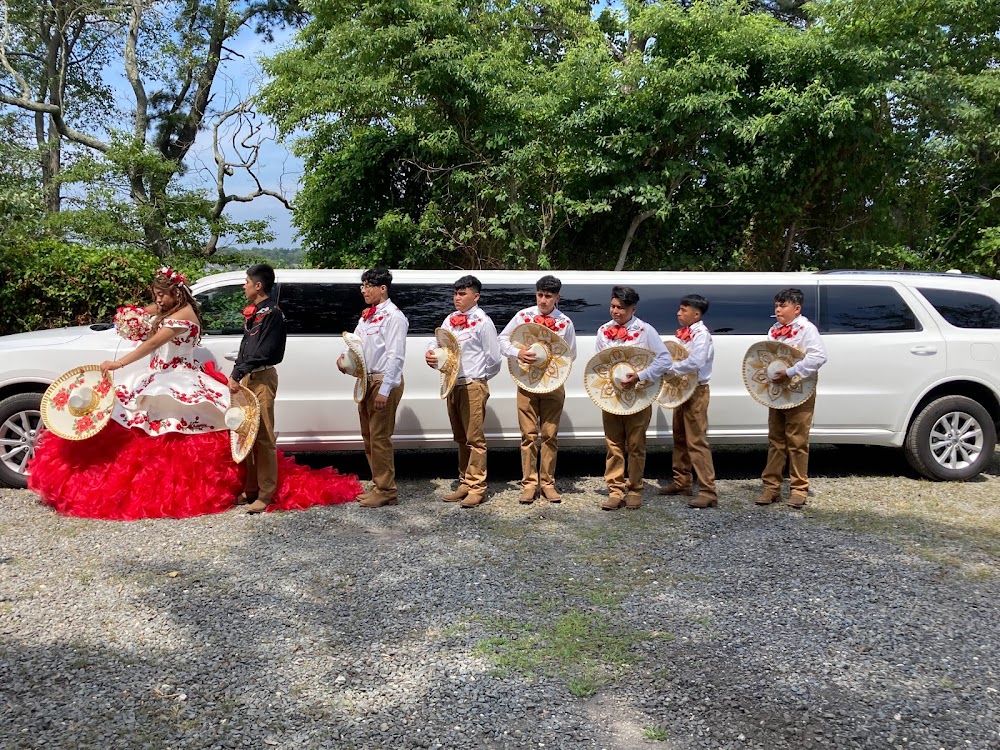
Wedding transportation planning is the process of turning your wedding-day schedule into a set of clear, timed trips—so the right people arrive at the right locations without confusion. It’s more than booking a vehicle: you’re coordinating passengers, pickup points, timing, and transitions between venues. A workable plan accounts for real-world details like loading time (especially with formalwear), photo stops, and the fact that different groups may need different routes and arrival times.
Why it matters
- Schedule protection: A tight timeline without buffers can cause a chain reaction—late ceremony start, shortened photo time, delayed reception events.
- Guest experience: Clear arrivals help the wedding party focus on the moment instead of logistics.
- Cost control: Better routing and fewer “surprise” trips can reduce add-ons like extra time or additional vehicles.
- Safety and comfort: Planned pickups reduce rushed decisions and keep the group together, especially when attire and valuables are involved.
Common mistakes to avoid (Checklist)
- Underestimating loading time: Dresses, suits, bouquets, and photo gear slow down boarding—build that into the schedule.
- Assuming everyone starts from one place: Split locations (hotel, family home, venue) often require separate pickups or staggered timing.
- Skipping a buffer between events: If the ceremony ends at X, don’t schedule photos at X—leave time for greetings, regrouping, and travel.
- No single point of contact: Multiple people texting updates can create conflicting instructions and missed pickups.
- Not planning for end-of-night rides: Departures are often the most chaotic—decide who leaves when and from where.
- Forgetting personal items: Phones, rings, vows, emergency kit, and overnight bags need a designated “owner” and vehicle plan.
Best practices / Preparation checklist (Checklist)
- Write your “trip list” first: Document every ride segment, even short ones (including photo locations and venue-to-venue moves).
- Assign passengers by segment: Decide who rides together for each trip (couple, wedding party, immediate family, VIPs).
- Set arrival targets, not just departure times: Work backward from required arrival moments (ceremony start, first look, grand entrance).
- Build buffers into every transition: Add time for boarding, traffic variability, and regrouping after key moments.
- Create a day-of contact sheet: One coordinator name, two phone numbers, and a clear pickup protocol (who calls whom, and when).
- Confirm pickup details in writing: Addresses, venue entry points, room numbers (if applicable), and any access instructions.
- Plan for attire and storage: Make sure there’s space for dresses, jackets, bouquets, and personal bags without crushing items.
- Decide your “late change” rule: Identify what can change day-of (minor timing shifts) and what should not (vehicle count, key pickups).
Pro Tip from the Field
In practice, we often see the smoothest wedding days when couples treat transportation like a “moving venue”—with one shared itinerary, a single coordinator for communications, and built-in buffer time for boarding and photos.
When to consider professional help
- Multiple locations: Getting-ready sites, ceremony, photos, and reception are in different places and require timed arrivals.
- Large wedding party or VIP needs: You need separate rides for family, wedding party, or special guests.
- Tight timeline: You have a first look, multiple photo stops, or a strict venue schedule for entrances and formalities.
- Complex pickup logistics: Hotels, venues with specific entry points, or limited loading zones require coordinated staging.
- End-of-night coordination: You want a structured send-off and safe, scheduled rides rather than improvised plans.
FAQs
How far in advance should we map out our wedding-day rides?
As soon as you have confirmed ceremony and reception start times and know where you’re getting ready. A draft plan can start early, then you refine it once photo locations and the final timeline are set.
Do we need separate vehicles for the couple and the wedding party?
Not always. It depends on group size, the timing of arrivals, and whether you want the couple to travel privately at certain points (for example, between photos and the reception).
What details should we provide for pickups and drop-offs?
Provide exact addresses, the best entrance or meeting point, a primary contact name and number, and any access instructions. If a venue has specific loading procedures, confirm those directly with the venue because rules can vary.
How do we reduce delays between the ceremony and reception?
Build a clear post-ceremony sequence: who stays for greetings, who leaves first, and where everyone meets for boarding. Adding buffer time and limiting unplanned stops helps keep the timeline intact.
What’s the best way to handle end-of-night transportation?
Decide in advance who is leaving when, where pickups will occur, and who is responsible for personal items. A simple departure schedule prevents confusion when the reception ends.
Summary & Next Step
A solid transportation plan turns your wedding timeline into a series of predictable, well-timed arrivals. Start with a complete trip list, assign passengers for each segment, and work backward from key moments to set realistic arrival targets. Add buffer time, confirm pickup details in writing, and keep communication centralized with one day-of point person. With those steps, you’ll reduce avoidable delays and keep the focus on the celebration.
Book Your Consultation
Schedule a free consultation with our experts.
Schedule Now